If there’s one thing we know about the South Wales weather, it’s that it’s unpredictable. In recent weeks, we’ve experienced everything from scorching summer temperatures to torrential downpours—all within a matter of days.
While the sunshine may have been welcome, these rapid changes in weather can put significant stress on your driveway. Extreme heat causes surfaces to expand and soften, while heavy rain allows water to penetrate cracks and weaken the foundations beneath. Together, these conditions can accelerate wear and tear, leaving even the highest-quality driveways vulnerable to damage.
Whether your driveway is resin bound, tarmac, imprinted concrete or block paving, it’s worth checking for these seven warning signs before minor issues become costly repairs.
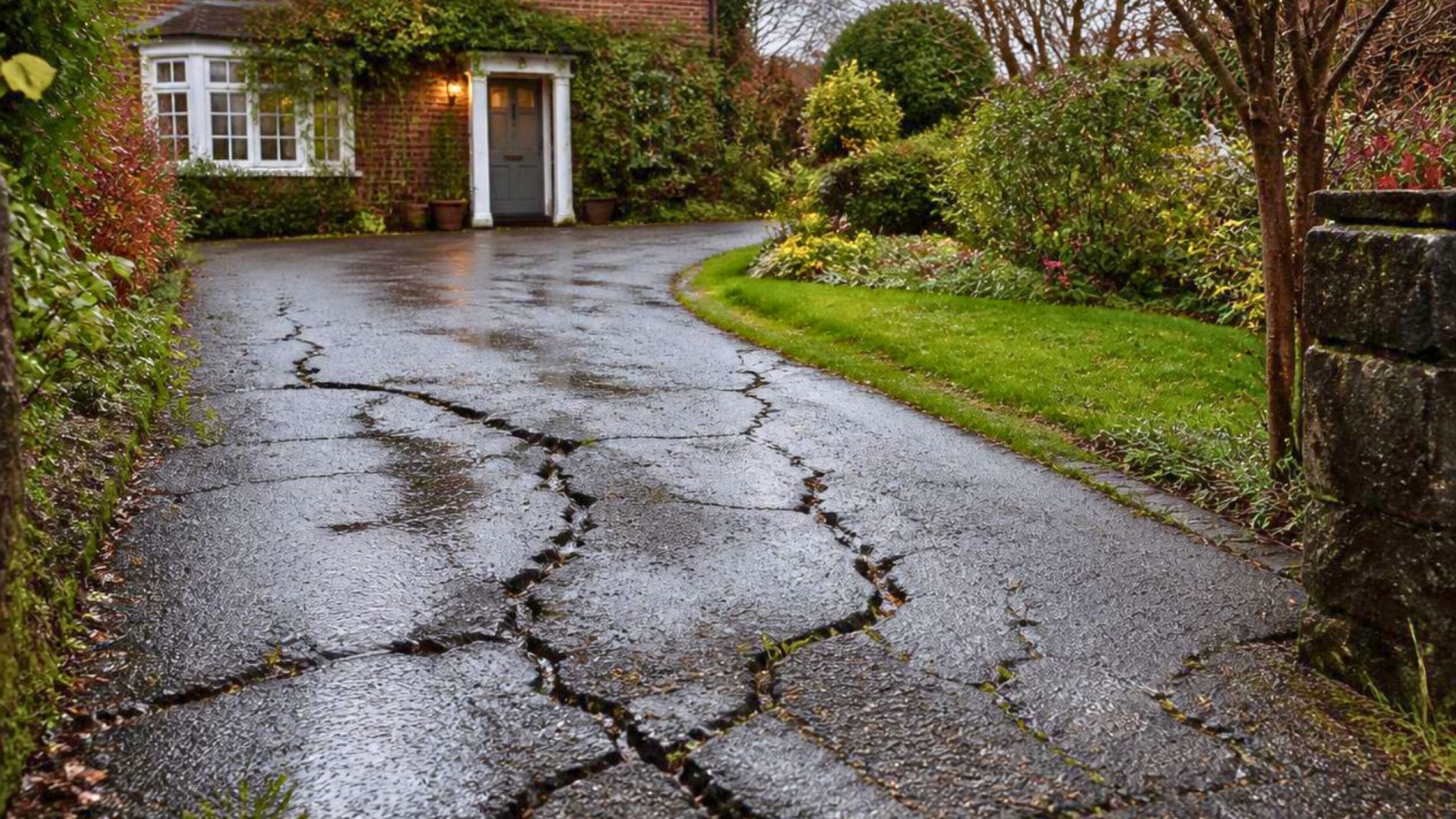
1. Cracks Are Beginning to Appear
One of the most common signs of weather-related damage is cracking.
During periods of extreme heat, driveway materials naturally expand. As temperatures cool overnight or after rainfall, they contract again. This continual expansion and contraction places stress on the surface, particularly if the driveway is older or has existing weak spots.
Once heavy rain arrives, water can seep into these cracks, gradually washing away the supporting layers beneath and causing the damage to spread.
If you notice even small cracks, it’s worth having them inspected before they become much larger.
2. Your Driveway Feels Softer Than Normal
This is especially common with tarmac driveways.
During hot weather, prolonged exposure to high temperatures can soften the surface. While modern tarmac is designed to withstand the British climate, exceptionally warm conditions can make it more susceptible to tyre marks, scuffing and slight indentations, particularly where heavy vehicles are parked for long periods.
Once the weather changes and rain follows, these weakened areas can deteriorate more quickly.
3. Water Is Pooling After Heavy Rain
Following the recent downpours across South Wales, many homeowners have noticed standing water on their driveways.
Puddles that remain after rainfall may indicate:
- Poor drainage
- An uneven surface
- Areas that have started to sink
- Sub-base movement beneath the driveway
Standing water doesn’t simply disappear without consequence. Over time, it can weaken the foundations, encourage moss growth and shorten the lifespan of your driveway.
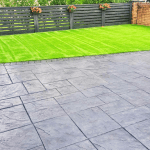
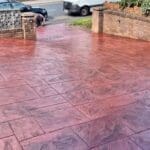
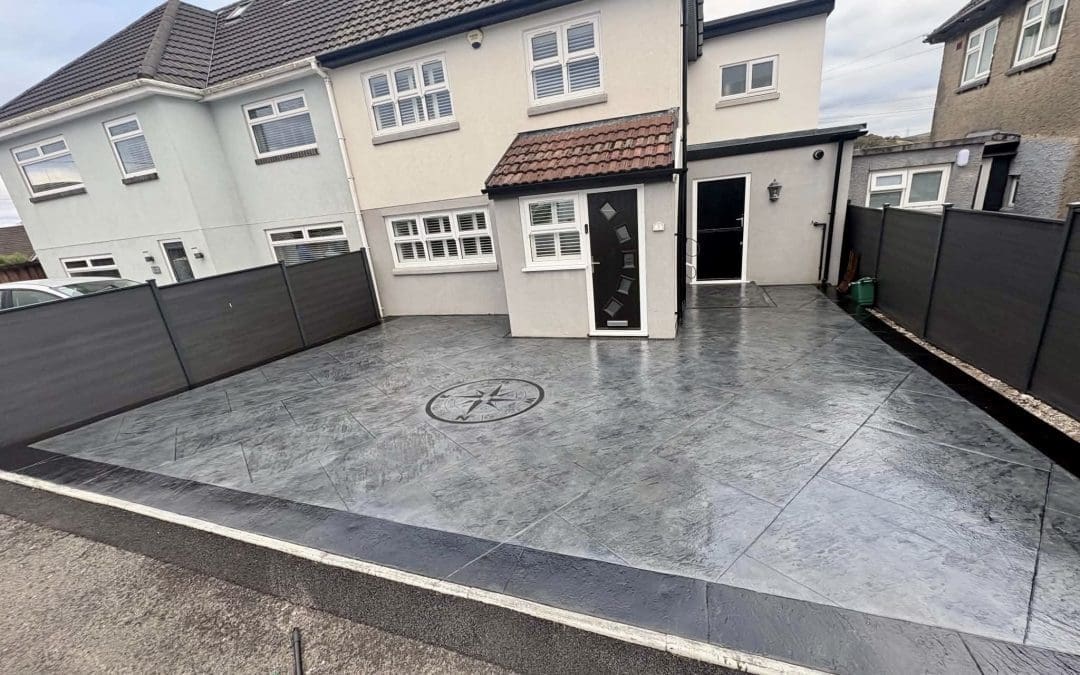
4. Your Imprinted Concrete Is Looking Faded or Worn
Long periods of intense sunshine can gradually fade the colour of imprinted concrete if the protective sealant has begun to wear away.
Add heavy rain into the mix and the surface becomes even more vulnerable to:
- Water penetration
- Surface staining
- Loss of colour
- Reduced protection
A professional clean and reseal can often restore the appearance while helping to protect the surface from future weather extremes.
5. Moss, Algae and Weeds Are Appearing
After warm weather followed by regular rainfall, damp conditions encourage moss, algae and weeds to grow rapidly.
Not only can this make your driveway look neglected, but it can also become slippery and hazardous during wet weather.
Routine maintenance and professional cleaning help prevent these growths from taking hold and prolong the life of your driveway.
6. Block Paving Has Become Loose or Uneven
Heavy rainfall can gradually wash away the jointing sand between block paving.
When combined with the expansion and contraction caused by recent hot weather, blocks can begin to shift, creating uneven surfaces and potential trip hazards.
Look out for:
- Loose paving blocks
- Uneven sections
- Gaps between blocks
- Weeds growing through joints
Early maintenance is usually far less expensive than lifting and relaying an entire driveway.
7. Your Driveway Is Looking Tired and Ageing Faster Than It Should
The combination of UV exposure, prolonged sunshine and heavy rainfall can quickly age any driveway.
If your driveway now looks:
- Faded
- Stained
- Cracked
- Uneven
- Difficult to clean
…it may be time to consider restoring or replacing it.
Modern driveway materials are designed to cope far better with today’s increasingly unpredictable weather conditions, providing greater durability, improved drainage and lower maintenance.
Why Extreme Weather Is Becoming a Bigger Problem
The weather in South Wales has become increasingly unpredictable in recent years. Longer periods of hot weather, heavier rainfall and more frequent storms all place additional pressure on outdoor surfaces.
Driveways experience this every day.
They’re expected to withstand:
- Intense UV exposure
- Rapid temperature changes
- Heavy rainfall
- Standing water
- Vehicle traffic
- Daily wear and tear
Without proper installation and occasional maintenance, even minor issues can quickly develop into larger problems.
Protect Your Driveway Before the Seasons Change Again
With the South Wales weather constantly changing, now is the perfect time to inspect your driveway.
Repairing small cracks, improving drainage or resealing the surface today could help prevent much more expensive repairs after the next spell of extreme heat or heavy rainfall.
Trust South Wales Driveways
For over 20 years, South Wales Driveways has been installing high-quality driveways designed to withstand the changing Welsh climate.
Whether you’re looking for a durable resin bound driveway, tarmac, imprinted concrete or block paving, our experienced team provides expert workmanship, honest advice and outstanding customer service throughout South Wales.
Book Your Free Driveway Assessment
If the recent spell of hot weather and heavy rain has left your driveway looking worse for wear, don’t wait until the damage gets worse.
Contact South Wales Driveways today for a free, no-obligation quotation. We’ll inspect your driveway, explain your options and help you protect your investment for many years to come.